
STINCO specializes in copper alloy castings for a range of industries and high-precision marine pumps. Our production capacity is both substantial and flexible, with individual castings weighing up to 20 metric tons. Our largest customer group includes leading Japanese marine pump manufacturers.
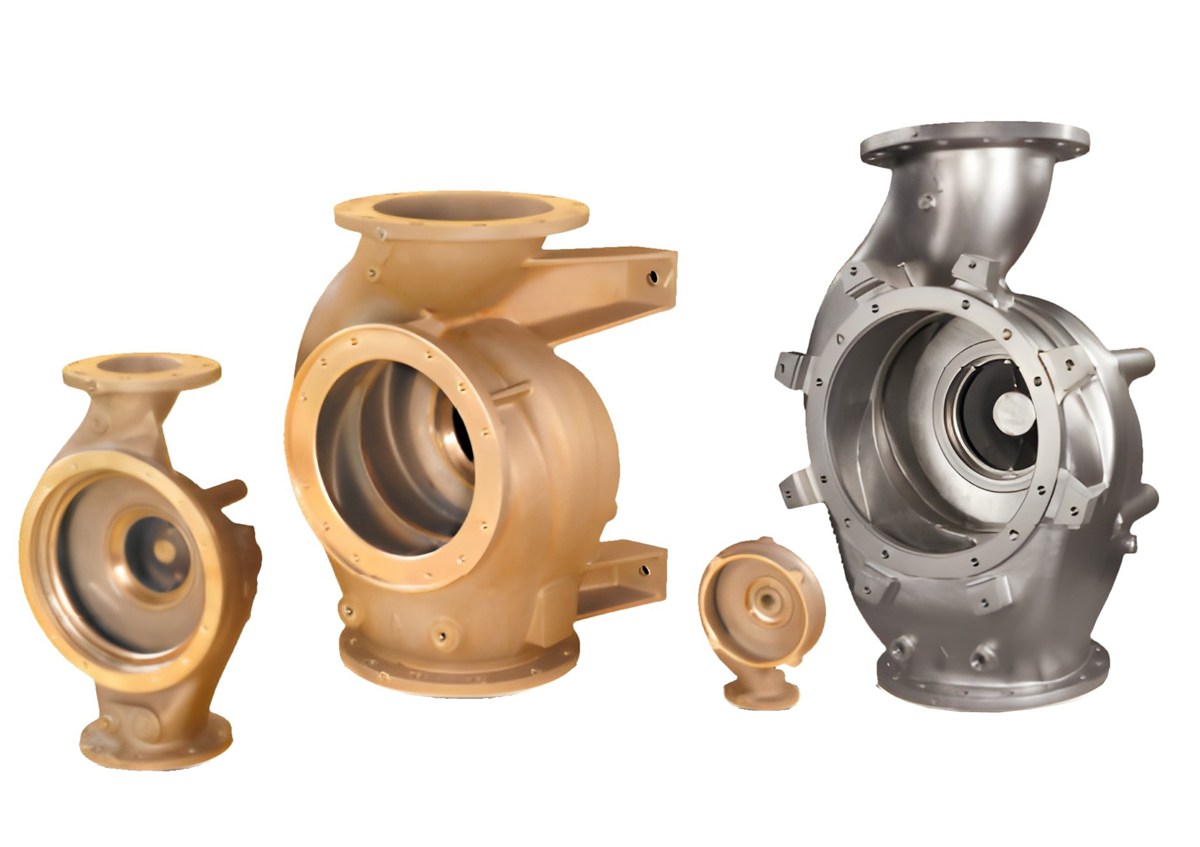
Copper Alloy Castings for Seawater Pump Applications
As a seawater pump casting foundry, we understand the demanding conditions marine and offshore equipment must withstand. Seawater pumps used in ships and offshore applications need to resist seawater corrosion and cavitation. Materials are therefore often selected from high-strength aluminum bronze, such as ASTM C95800, or other bronze alloys, according to the application and customer specifications.
Choosing the Right Casting Process
The casting process plays an important role in producing pump castings. Large or heavy castings are generally made using furan sand molding or gravity casting, while smaller, complex precision parts may be better suited to investment casting, also known as lost-wax casting.
Before production begins, our technical team reviews the drawings and application with the customer. This helps determine a suitable and cost-effective manufacturing process for the part.
Heat Treatment Capabilities
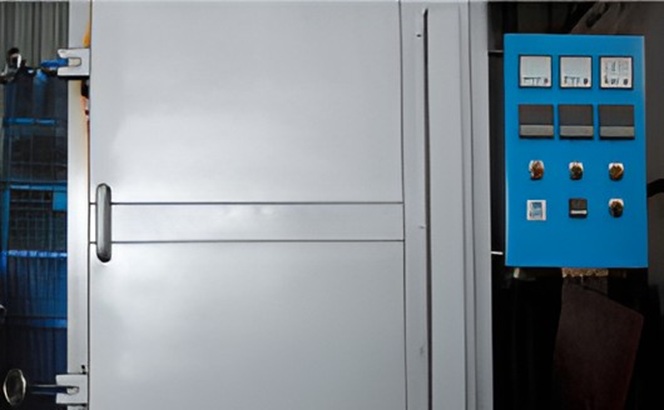
STINCO provides heat treatment services for castings to help achieve the required mechanical properties and hardness. These services can support components intended for demanding environments involving corrosion and wear.
Drawing on our casting experience, we provide heat treatment processing for pump castings and other cast components according to project requirements.
CNC Machining from Casting to Finished Component
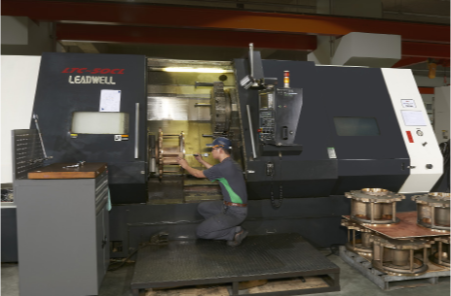
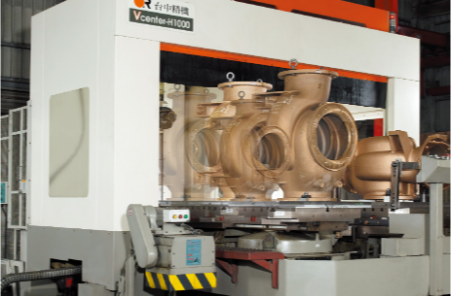
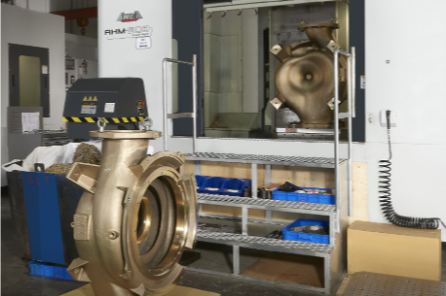
Some pump foundries supply castings in their as-cast condition, leaving customers to coordinate machining with separate suppliers. STINCO has CNC machining equipment suited to copper alloys and pump component geometries, providing casting and finish machining as an integrated service.
Depending on the drawings, machining operations can include boring, face machining, pin holes, set-screw holes, and keyway drilling. These operations help bring critical pump casting dimensions to specification.
Machining Capacity and Equipment
STINCO’s production system is designed to handle a range of machining requirements. We can process castings from 5 cm³ to 5 m³ in volume, with individual part weights from 100 g to 10 metric tons.
Our main equipment includes:
Inspection and Production Support
Our production support includes:
Composition Analysis and Material Quality Control
The performance of seawater pump castings depends in part on controlling chemical composition and material properties. STINCO uses inspection equipment to check products against customer specifications and composition requirements.
Our inspection and testing equipment includes: